This article may contain affiliate links. If you buy through them, Calm Corners at Home may earn a small commission at no extra cost to you. Learn more.
For many, minimalism evokes a sense of calm. It’s about decluttering, simplifying, and creating a serene atmosphere. However, I’ve learned through my own experiences that minimalism doesn’t always lead to a calm environment, especially in small spaces. Sometimes, the pursuit of the minimalist ideal can strip away the very elements that make a home feel comforting and lived-in.
The Allure of Minimalism
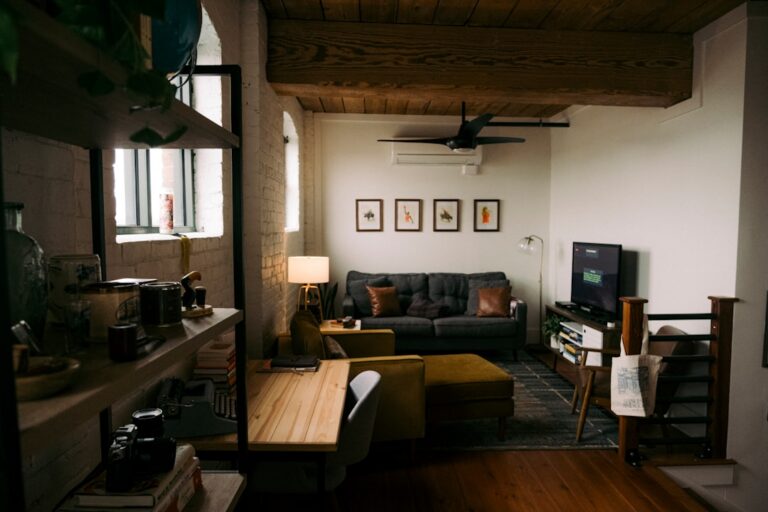
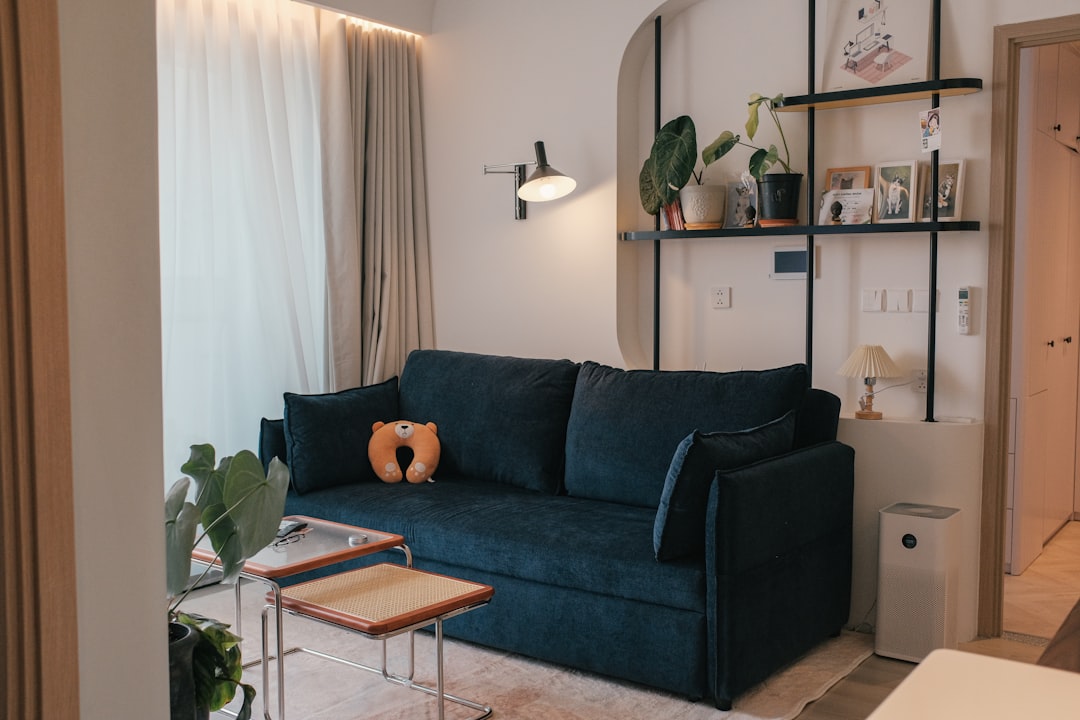
Minimalism often gets a lot of praise for its clean lines and uncluttered surfaces. The idea is to only keep what you truly need and love, which certainly has its merits. In my small living room, I tried to embrace this concept by limiting my furniture to a sleek sofa, an end table, and a piece of artwork that I adore. At first, everything felt fresh and airy. However, as time went on, I noticed it lacked personality and warmth.
When Less Isn’t More
One of the pitfalls of minimalism is the potential for a space to feel stark or unwelcoming. I’ve been in homes where the absence of personal touches made me feel like I was in a showroom rather than a living space. My small living room began to echo with its emptiness, and I longed for elements that told my story.
This realization made me rethink the “less is more” philosophy. It’s possible to curate your space in a way that blends simplicity with warmth. Rather than seeing minimalism as an end goal, I’ve come to view it as a guideline that can work alongside personal expression.
Overemphasizing Functionality
Another common aspect of minimalism is prioritizing functionality above all else. While it’s essential that your space serves its primary purpose, when function becomes the sole focus, you may overlook the importance of emotional comfort. For example, I invested in a multifunctional coffee table that doubles as a storage unit. While it’s practical, I realized it didn’t add to the coziness I wanted in my living room.
- Emotional Comfort: Consider how you want to feel in your space. A functional piece can still be inviting.
- Personal Touch: Incorporating decorative items that spark joy or hold meaning can enhance your emotional connection to a space.
In my quest for a calm home, I’ve learned that it’s okay to have a few carefully selected items that serve no functional purpose other than to bring me joy. A framed photo from our last family vacation sits on that coffee table, reminding me of cherished moments. It’s a small yet significant way to add warmth to an otherwise functional piece.
The Challenge of Small Spaces
Small spaces often come with their own set of challenges. The limited square footage can make it tempting to strip your home bare to create a sense of openness. However, this can quickly backfire. I once thought that removing all but the essential furniture would make my apartment feel larger and more serene. Instead, it felt cramped and uninviting, as though I had chosen to live in a museum rather than a home.
Finding Balance
The key to achieving a calm atmosphere lies in finding balance. For me, that meant reintroducing a few pieces that provided both function and comfort. Adding a small bookshelf filled with well-loved books instantly warmed up the space. It created a cozy corner that invited me to curl up and read, rather than simply exist within my minimalist design.
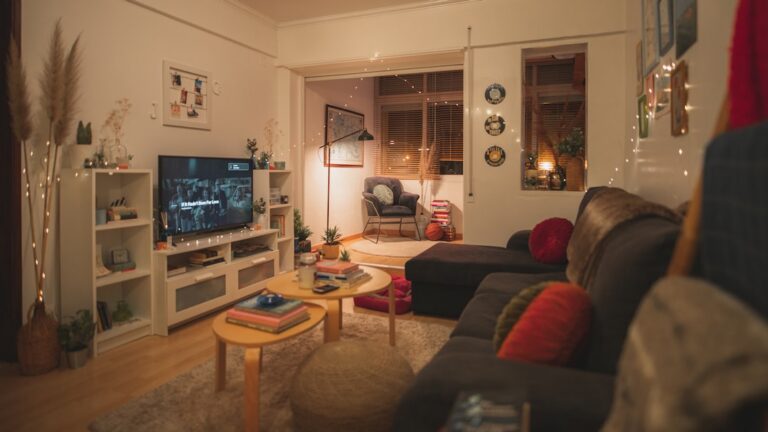
In small spaces, it’s about curating what you truly love while avoiding clutter. I’ve found that thoughtful selections can enhance the overall feel of a room without overwhelming it. A mix of textures, colors, and personal items contributes to a layered look that feels both inviting and organized.
Incorporating Natural Elements
Natural materials can play a significant role in transforming a space from minimalist to warm and inviting. Wood, plants, and textiles add warmth and texture, making a space feel more alive. After adding some greenery to my apartment, like a snake plant and a pothos, I noticed a marked difference. The vibrant green brought a sense of calm and freshness that stark, minimalist designs simply can’t replicate.
Texture Over Monochrome
Minimalism often emphasizes a monochromatic color palette. While this can create a sense of cohesiveness, it might also leave a space feeling flat. When I swapped my beige sofa for a deep green velvet one, the change was transformative. The rich color and soft texture added depth and comfort, drawing me in rather than pushing me away.
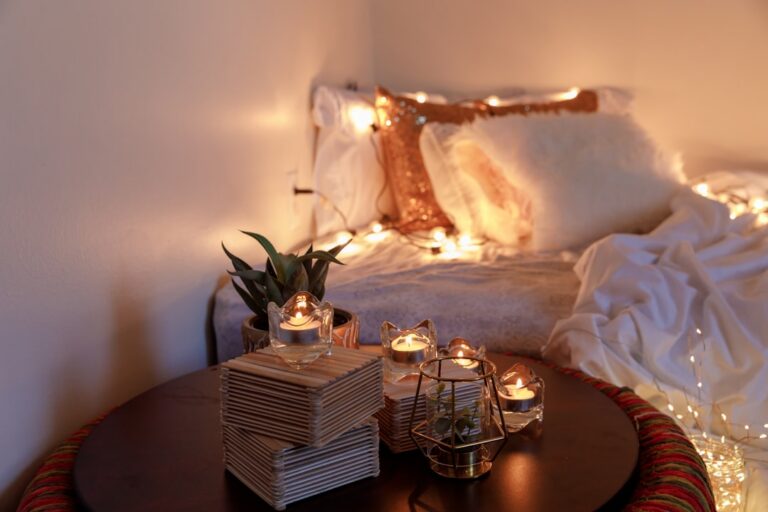
Incorporating various materials can enhance the aesthetic without overwhelming your space. A knitted throw or textured cushions can add layers that invite touch and warmth, creating an atmosphere that feels restful and welcoming.
Creating Personal Spaces
While the minimalist approach encourages a clean slate, it’s essential to infuse personal touches that reflect who you are. Whether it’s a collection of travel souvenirs, family heirlooms, or a few well-chosen pieces of art, these items can evoke memories and feelings that make a space uniquely yours.
“Your home should tell the story of who you are, and be a collection of what you love.” — Nate Berkus
In my own home, I’ve found that displaying a few cherished items, like my grandmother’s vintage vase and a collection of photo magnets on my fridge, adds character and warmth. These personal touches provide a sense of comfort and connection, reminding me of the loved ones and experiences that shape my life.
Reassessing the Minimalist Mindset
Minimalism isn’t inherently bad. It can provide a framework for simplifying life and focusing on what truly matters. However, it’s essential to remember that a calm home doesn’t require an absence of items — it requires the presence of thoughtfulness. My journey through minimalism has taught me to appreciate meaning over mere aesthetics.
Instead of adhering strictly to a minimalist code, I now focus on curating a space that feels whole and inviting. Every item in my home tells a story, from the plants that remind me of spring to the books that spark joy. It’s this blend of functionality, warmth, and personal history that creates a peaceful environment.
Closing Thoughts
Finding calm within your space doesn’t have to mean adhering to a strict minimalist philosophy. It’s about balancing function with personal expression and warmth. In my small living room, I’ve learned that it’s the little things — a cozy throw, a favorite book, or a touch of greenery — that truly create an inviting atmosphere. Embrace what makes your home uniquely yours, and you’ll find peace and comfort, no matter the size of your space.