This article may contain affiliate links. If you buy through them, Calm Corners at Home may earn a small commission at no extra cost to you. Learn more.
Living in a studio apartment can often feel like a balancing act between functionality and comfort. With limited square footage, I’ve learned that creating a spacious retreat requires thoughtful choices about layout, furniture, and decor. My journey in transforming my own studio into a calm and inviting oasis has been a rewarding process, and I’d love to share the strategies that have worked for me.
Optimize Your Layout
The first step in making a small space feel larger is to optimize your layout. When I moved into my studio, I initially pushed all my furniture against the walls, hoping to create a more open center. However, I found that this actually made the space feel more cramped. Instead, I experimented with arranging my furniture in a way that encourages flow.
Consider floating your bed or couch away from the walls. This creates a sense of intimacy, allowing for better conversation and connection while also offering a more spacious feel. I placed my bed in the middle of the room, utilizing a low-profile headboard that doesn’t visually dominate the space. This layout not only gives me room to walk around but also makes my studio feel more like a cozy nook than just a room.
Choose Multi-Functional Furniture
In a studio, every piece of furniture should earn its keep. I’ve become a big fan of multi-functional furniture that serves more than one purpose. For instance, I replaced a traditional coffee table with an ottoman that doubles as extra seating and storage. It’s perfect for stowing away blankets and magazines, keeping clutter at bay while maintaining a relaxed vibe.
Consider investing in a daybed instead of a standard bed if you frequently have guests. Daybeds offer a stylish bench-like appearance during the day, transforming the space seamlessly from a sleeping area to a living space. Additionally, foldable chairs or nesting tables can be easily tucked away when not in use, providing flexibility and openness.
Embrace Vertical Space
When working with limited square footage, think vertically. I began utilizing wall space for storage and decor, which significantly elevated both my organization and aesthetic appeal. Floating shelves have become essential in my studio, providing room for books, plants, and decorative items without taking up precious floor space.
Consider hanging plants to draw the eye upward, which can create the illusion of height. In my studio, I’ve placed trailing plants in the corners near windows, which not only add life but also draw attention away from the room’s size. A tall bookshelf can also act as a divider, creating zones in an open space, making it feel larger and more organized.
Keep Color Schemes Simple
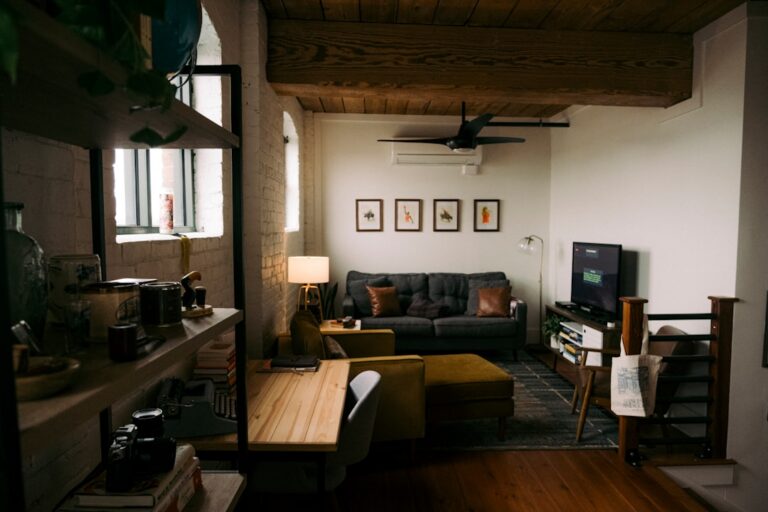
The color palette of your studio can greatly affect how spacious it feels. I’ve chosen a soft, neutral palette with shades of white, beige, and light gray to help create an airy atmosphere. Lighter colors reflect light, making a room feel more open and inviting. A fresh coat of paint or adding light-colored textiles like curtains and throw pillows can effortlessly enhance the spaciousness.
Adding darker elements can anchor a space and provide depth, but I recommend limiting them to accents. For instance, I use deep navy blue for a single accent wall, which adds visual interest without overwhelming the room. Pairing this with lighter furniture keeps the balance and encourages a restful ambiance.
Lighting Makes a Difference
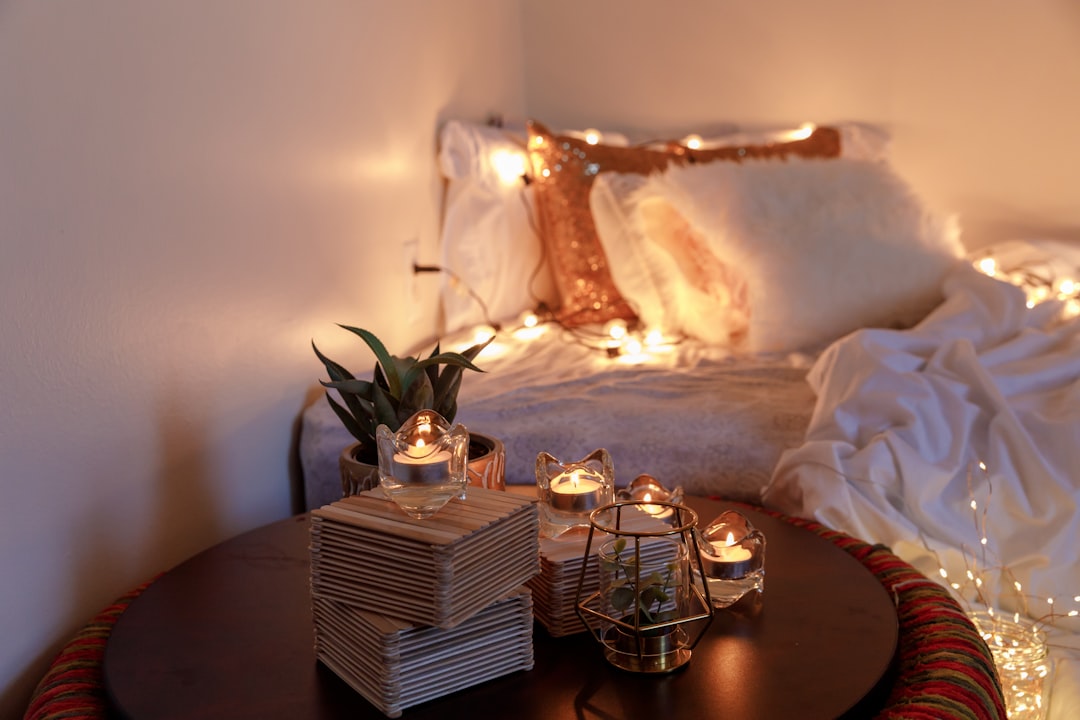
Effective lighting can transform a small space into one that feels expansive and inviting. Natural light is the best friend of a studio apartment. I maximize the light I receive by keeping window treatments minimal. Sheer curtains allow sunlight to filter through while providing privacy. When evening falls, I rely on a combination of ambient and task lighting to maintain a cozy atmosphere.
I’ve strategically placed floor lamps and table lamps in various corners of the room to create warmth and depth. Dimmer switches have also become a favorite addition of mine, offering the flexibility to adjust lighting depending on the time of day or mood. Thoughtfully placed mirrors can amplify the effect of natural light, making the space feel even more open. In my studio, a large mirror reflects both light and my favorite art piece, drawing the eye and expanding the visual space.
Create Zones for Living
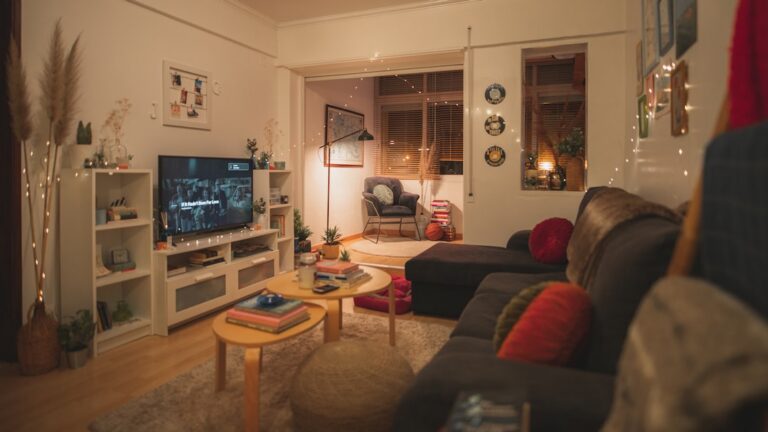
Cohesion is important in a small space, but creating zones can help differentiate areas for living, working, and relaxing. I’ve designated my studio into three distinct areas: a sleeping nook, a cozy lounge, and a petite workspace. Using rugs to delineate these spaces provides both visual separation and comfort. A soft rug under the seating area invites relaxation, while a more functional mat in front of my workspace keeps things practical.
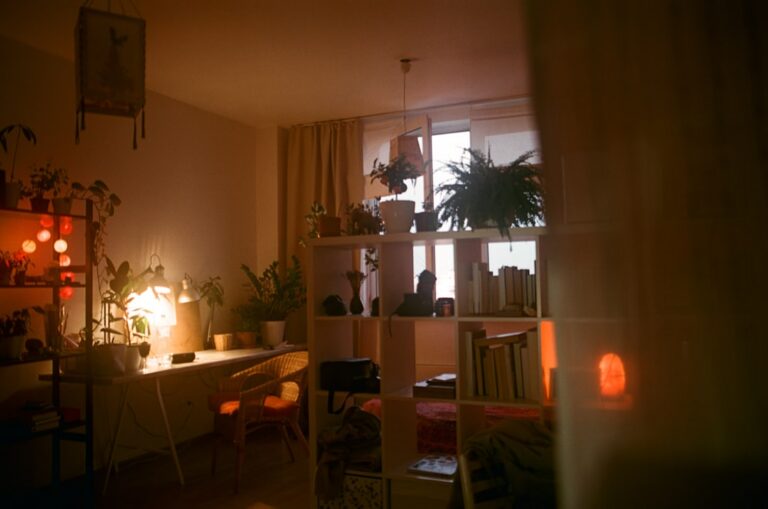
Open shelving between the sleeping and working areas acts as a subtle divider, holding books and plants while keeping the area feeling airy. This zoning not only enhances functionality but also encourages a sense of purpose in each part of the studio.
Personal Touches
Incorporating personal elements is essential to make your studio feel truly like home. I’ve filled my walls with artwork and photos that resonate with my experiences and travels. This not only infuses character into my space but also serves as a conversation starter. Choosing pieces that reflect my style helps to create a cohesive narrative throughout the studio.
Additionally, I love adding seasonal touches with pillows and throws. By swapping out these accessories as the seasons change, I can refresh the space without major alterations. A warm plaid throw in winter and light linen in summer can keep the atmosphere feeling comfortable and inviting throughout the year.
Connect with Nature
Bringing in natural elements can further enhance the soothing ambiance of a small space. I’ve included a variety of houseplants that not only add beauty but also improve air quality. A tall fiddle leaf fig in the corner makes a bold statement, while smaller succulents adorn my windowsill, creating a calming effect.
Natural materials such as wood and cotton can introduce warmth and texture, making the space feel more grounded. For instance, I chose a wooden side table that contrasts beautifully with my lighter furnishings, and cotton throw blankets add softness. These natural elements help create a serene retreat that invites relaxation.
Declutter Regularly
In a studio, clutter can quickly become overwhelming. I’ve adopted a regular decluttering routine to keep my space serene and organized. Each month, I take time to assess my belongings, removing anything that no longer serves a purpose or brings me joy. This practice not only helps maintain a clean environment but also provides a sense of accomplishment.
Utilizing storage bins and baskets for items that are used less frequently can keep surfaces clear and tidy. I label containers to make finding things easier, which saves me time and stress. Regularly streamlining belongings allows my studio to feel more spacious and manageable.
Final Thoughts
Transforming a studio into a spacious retreat is entirely possible with a few intentional choices. By optimizing layout, choosing multi-functional furniture, using light color schemes, and incorporating personal touches, you can create a space that feels open, restful, and distinctly yours. It’s about finding the right balance between functionality and comfort, making your home an inviting sanctuary, no matter its size. Embrace the journey of cultivating your small space into a haven that reflects your personality and style.