This article may contain affiliate links. If you buy through them, Calm Corners at Home may earn a small commission at no extra cost to you. Learn more.
Decluttering has become a buzzword in home organization circles, but the journey toward a more serene space is about much more than just tossing out items. I learned this lesson firsthand in my own home, discovering that the act of decluttering isn’t just about physical space—it’s also about emotional and mental clarity.
Finding My Why
Before I dove into decluttering, I took some time to reflect on why I wanted to do it in the first place. For me, the goal was to create an environment that felt calm and inviting, a sanctuary where I could recharge after busy days. Understanding my motivation helped guide my decisions as I faced piles of possessions that had accumulated over the years.
During this reflection period, I noticed how certain items evoked feelings of obligation rather than joy. Those gifts from well-meaning friends, or the collection of trinkets that seemed to multiply on their own, had begun to weigh me down. With this realization, I started to recognize that letting go would ultimately lead to a clearer, more peaceful home.
Starting Small
I decided to approach decluttering in a manageable way by starting with a small area of my home. I chose my kitchen counter, a space that had become a catch-all for items I didn’t know where else to put. I spent a weekend sorting through the clutter, keeping only what was necessary or truly meaningful.
The process started with a simple “keep, donate, discard” system. I found it helpful to hold each item and consider its role in my life. Did that old coffee maker I never used still serve a purpose, or was it just taking up space? Surprisingly, letting go of the coffee maker—as well as a few mismatched mugs—felt liberating. I realized that these items had become more of a burden than a convenience.
Emotional Connections
As I continued to declutter, I encountered several items that came with emotional weight. One of the more challenging decisions was what to do with a stack of my grandmother’s old recipe cards. Each card held a memory of family dinners and gatherings, but I had to ask myself whether I would realistically use them, given our modern cooking habits.
“It’s hard to let go of things that hold memories, but sometimes the memories can exist without the physical items.”
Ultimately, I chose to take pictures of the recipes and create a digital album. This allowed me to cherish the memories without keeping physical clutter. I learned that memories are often more about the experiences than the objects that represent them.
One Room at a Time
After tackling the kitchen, I moved on to other areas, tackling each room one at a time. In my bedroom, I faced a drawer full of clothes that I hadn’t worn in years. I used the same method, evaluating each item. This process not only cleared out space but also provided me with a clearer understanding of what I actually wore and needed. I ended up donating several bags of clothes, which felt like a weight lifted off my shoulders.
Maximizing Space, Minimizing Clutter
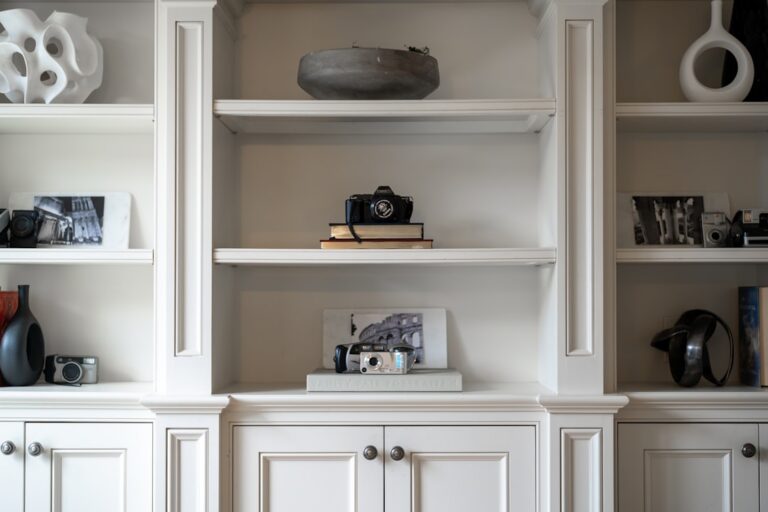
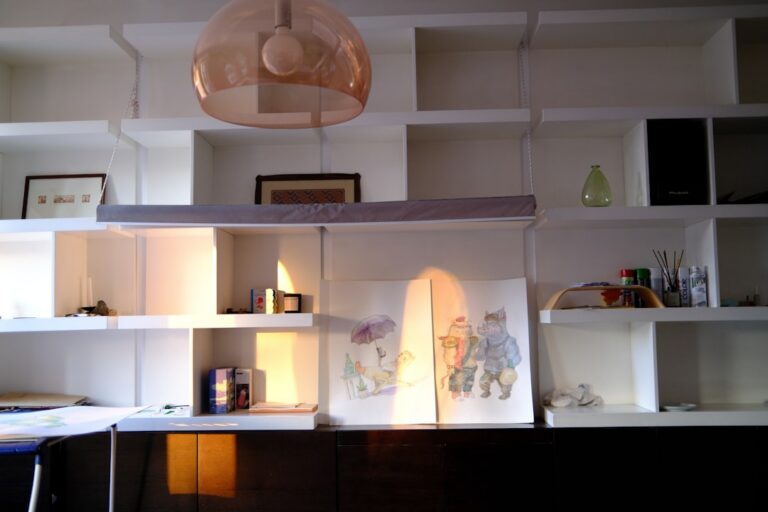
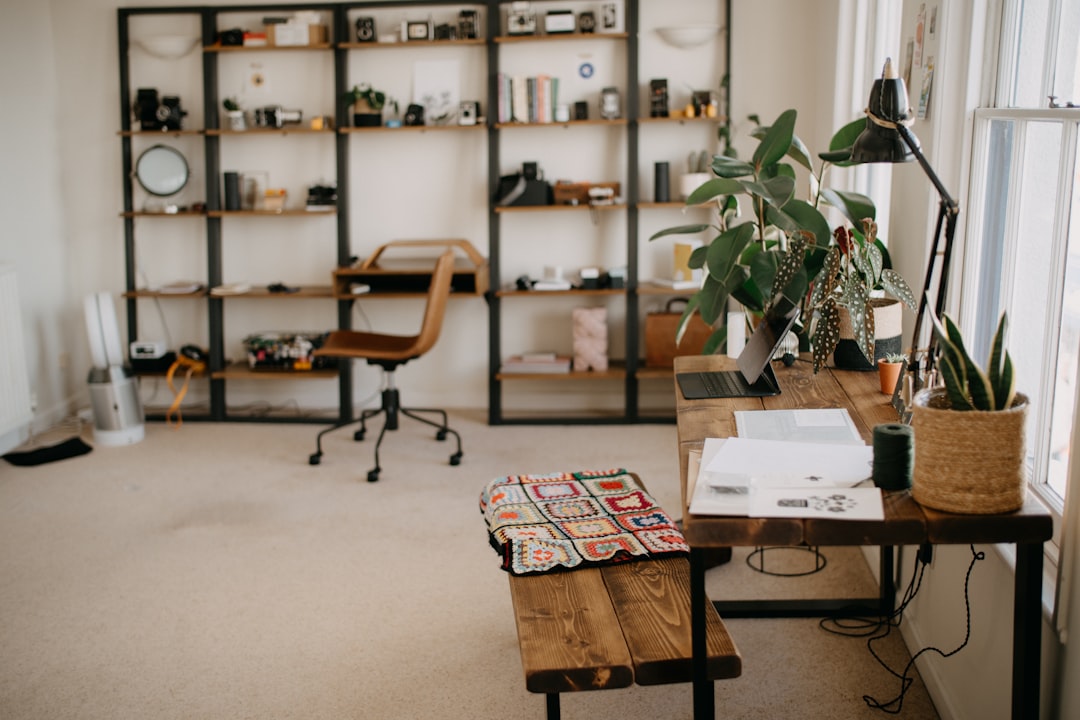
While I was decluttering, I also took the opportunity to rethink my storage solutions. In the past, I had crammed things into drawers without considering how they could be organized more efficiently. I invested in a few clear bins for under-bed storage and started using vertical space with wall-mounted shelves in my living room.
These small changes made a significant difference. Not only did it allow me to maximize the space I had, but it also made it easier to find what I needed without feeling overwhelmed by chaos. I found that a little organization goes a long way in maintaining a calm atmosphere.
Learning to Let Go of Guilt
One of the most important lessons I learned was about letting go of guilt associated with decluttering. I had held onto items because I felt bad about discarding things that were gifts or seemed too nice to throw away. However, I came to understand that my home should reflect my current life and needs, not just the past. The more I released items tied to guilt, the lighter I felt.
For example, I had a beautiful vase that I had received years ago, but it had collected dust on a high shelf because I never used it. When I eventually decided to donate it, I felt a sense of relief washing over me. I realized that I could appreciate its beauty without needing to keep it in my home.
Creating a Calm Corner
As I decluttered, I also made a point to create a dedicated calm corner in my living room—an inviting nook filled only with things that brought me joy. I chose a comfortable chair, a few beloved books, and some soft lighting. This space became my refuge, where I could unwind and read in peace. It’s a simple area, but it reflects the balance I sought to achieve in my home.
Maintaining a Decluttered Space
The work didn’t stop once I finished decluttering. I realized that maintaining a calm and organized home is an ongoing effort. To keep my space serene, I started implementing a “one in, one out” rule: for every new item I bring into my home, I commit to letting go of something else. This approach has helped me to be more mindful of my purchases and ensure that my home remains a tranquil space.
- Regularly assess what’s around you—don’t wait until things pile up.
- Establish designated spots for items to prevent clutter from accumulating.
- Practice gratitude for what you have while being open to letting go of what no longer serves you.
Final Thoughts
Decluttering is not just about cleaning up; it’s a process of self-discovery and learning what really matters in your life. Each item you choose to keep or let go shapes the environment you inhabit. I now find solace in the calmness of my home, appreciating the simplicity of a space filled only with items that serve a purpose or spark joy.
Ultimately, the art of letting go has brought me not just a decluttered home, but also a clearer mind. It’s a small but significant change that continues to influence how I view my space and my possessions. If you’re considering a decluttering journey, remember: it’s not just about what you throw away, but about what you choose to keep—and why.