This article may contain affiliate links. If you buy through them, Calm Corners at Home may earn a small commission at no extra cost to you. Learn more.
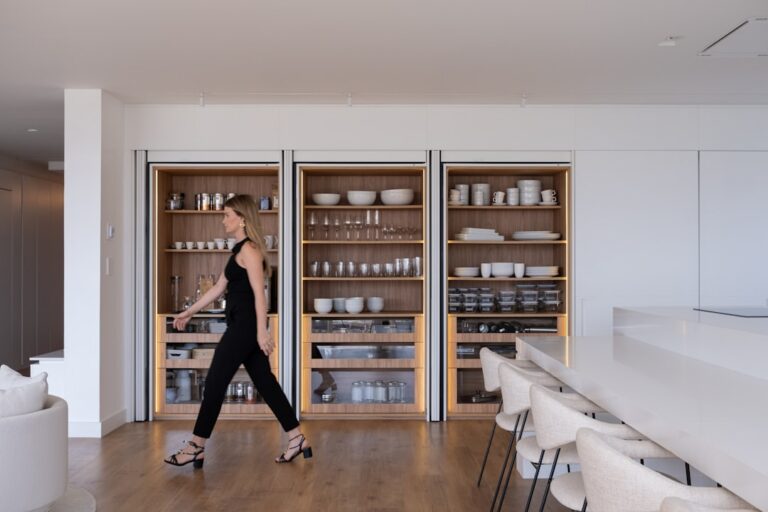
Creating a minimalist pantry can completely shift how I feel about cooking and eating at home. When I first embraced minimalism in my kitchen, I was surprised by how much clarity and joy it brought. A well-organized pantry doesn’t just look good; it makes daily tasks easier and encourages healthier choices. Let me share how I transformed my pantry into a serene, functional space that enhances both my cooking routine and my overall enjoyment of food.
Why Choose Minimalism?
Minimalism isn’t just about having fewer items; it’s about surrounding yourself with what truly matters. In my experience, a minimalist pantry simplifies grocery shopping, meal prepping, and cooking. When I open my pantry doors, I see only the essentials. This clarity helps me focus on quality rather than quantity, making my cooking process smoother and more enjoyable.
I used to have a pantry overflowing with half-used bags of rice and obscure spices I’d never touched. Every time I opened the door, I felt overwhelmed. Once I decluttered, I realized that keeping just the items I regularly use not only minimized stress but also brought a sense of calm to my kitchen.
Assessing What You Have
The first step in achieving a minimalist pantry is to assess what you currently have. I take everything out of my pantry, placing similar items together on my kitchen counter. This visual overview is crucial; it allows me to see how many different types of grains, canned goods, or baking supplies I truly need.
- Start Fresh: Empty your pantry and clean the shelves. It’s a good opportunity to get rid of crumbs and dust.
- Check Expiration Dates: Discard anything that’s expired or just taking up space. I always found some long-forgotten items lurking in the back.
- Group Similar Items: Organize items into categories: grains, canned goods, snacks, spices, and baking supplies.
Deciding What to Keep
Once everything is laid out, I ask myself a series of questions to help decide what to keep. Is this something I use regularly? Does it fit into my meal planning? Is it of good quality? This process helped me eliminate almost a third of my pantry contents, making space for items I truly enjoy using.
For instance, I realized I didn’t need six different types of pasta. I kept only two: a whole wheat option for health and a classic spaghetti for those comfort food nights. This small change has streamlined my meal prep, allowing me to focus on creating rather than searching.
Choosing the Right Storage Solutions
Storage plays a significant role in maintaining a minimalist pantry. I prefer using clear, stackable containers. They not only keep my food fresh but also let me see at a glance what I have. This transparency encourages me to use up items rather than letting them sit untouched.
When I first started organizing, I found mismatched storage containers that made my pantry feel chaotic. I swapped them for uniform glass jars and containers, which added a sense of order and style. Now, I can see my oats, lentils, and nuts neatly lined up, and it feels incredibly satisfying.
Labeling
Labeling is another element that I find enhances the minimalist approach. I label all my containers using simple, handwritten tags. This not only adds a personal touch but also makes it easy to identify contents at a glance. My labels have evolved over time; I started with tape and a marker but eventually moved to printed labels that are easy to read. Keeping it consistent has made my pantry look more cohesive.
Incorporating Joyful Elements
Minimalism doesn’t mean stripping away all character. I’ve found that incorporating a few joyful elements can make my pantry feel welcoming. Adding natural materials like wooden spoons or a small potted herb has made a big difference. I keep a small rosemary plant on my pantry shelf. It’s functional and brings a dose of freshness to the space.
Occasionally, I switch out seasonal decor to keep things feeling fresh. A simple autumn-themed tea towel or a few pumpkins in October creates a warm, inviting atmosphere without cluttering the space.
Meal Planning and the Minimalist Pantry
One of the best parts of having a minimalist pantry is how it transforms my meal planning. With fewer ingredients on hand, I can focus on creating simple yet satisfying meals. I’m able to plan my meals for the week based on the staples I keep, significantly reducing food waste.
For example, on Sunday evenings, I sit down with my meal planner and look at my pantry. I might have brown rice, black beans, and some peppers. This will inspire a delicious stir-fry or a hearty bowl. The beauty of a minimalist pantry is that it encourages creativity within constraints, making cooking feel more like a delightful challenge rather than a chore.
Maintaining Your Minimalist Pantry
Maintaining a minimalist pantry is an ongoing process. I schedule a quick inventory every month to ensure that I’m using everything I have. This also allows me to refresh my pantry seasonally, swapping out items like summer fruits for winter squashes.
I also find it helpful to create a “one in, one out” policy. If I decide to try a new spice or ingredient, I’ll commit to using up an existing item first. This approach encourages me to stay mindful about what I truly need and prevents my pantry from becoming cluttered again.
Facing Challenges
Adopting a minimalist pantry lifestyle comes with its challenges. I’ve faced moments where I felt tempted to stockpile items during sales or special promotions. It’s essential to remind myself that those items could add unnecessary clutter and distract from my goal of simplicity.
“Keeping a minimalist pantry isn’t about deprivation; it’s about freedom.”
This journey has taught me that true joy lies not in abundance, but in intentionality. Every item I choose to keep tells a story and serves a purpose, which makes cooking a more meaningful experience.
Conclusion
Finding joy in a minimalist pantry is not just about removing excess; it’s about curating a space that inspires creativity and ease in cooking. By assessing what you have, choosing the right storage, and maintaining a focus on the essentials, you can create a pantry that feels both functional and calm. And in return, it might just add a little more joy to your culinary adventures.