This article may contain affiliate links. If you buy through them, Calm Corners at Home may earn a small commission at no extra cost to you. Learn more.
Creating a calm and restful home isn’t just about aesthetics—it’s about building gentle systems that support daily life without overwhelming you. Over the years, I’ve learned that effective organization is less about strict rules and more about finding what works for my family and me. Here are some strategies that have helped me cultivate a peaceful environment, and I hope they inspire you to do the same.
Understanding Your Needs
Before jumping into organizing, I took time to understand my family’s unique needs. Every household is different, and what brings peace in my home might not resonate with yours. Consider your daily routines, the items you use most frequently, and the areas in your home that feel cluttered or chaotic. For me, the kitchen was a big focus. It’s the heart of our home, where we gather not just to eat, but to create and connect.
Assessing Your Space
Begin by evaluating your space with fresh eyes. I walked through my home, taking note of what felt cluttered or disorganized. In the kitchen, I noticed that my counter was cluttered with miscellaneous items—cookbooks, mail, and random kitchen gadgets. By simply clearing the space and designating specific areas for these items, I could already feel a shift in the energy of the room.
Creating Functional Zones
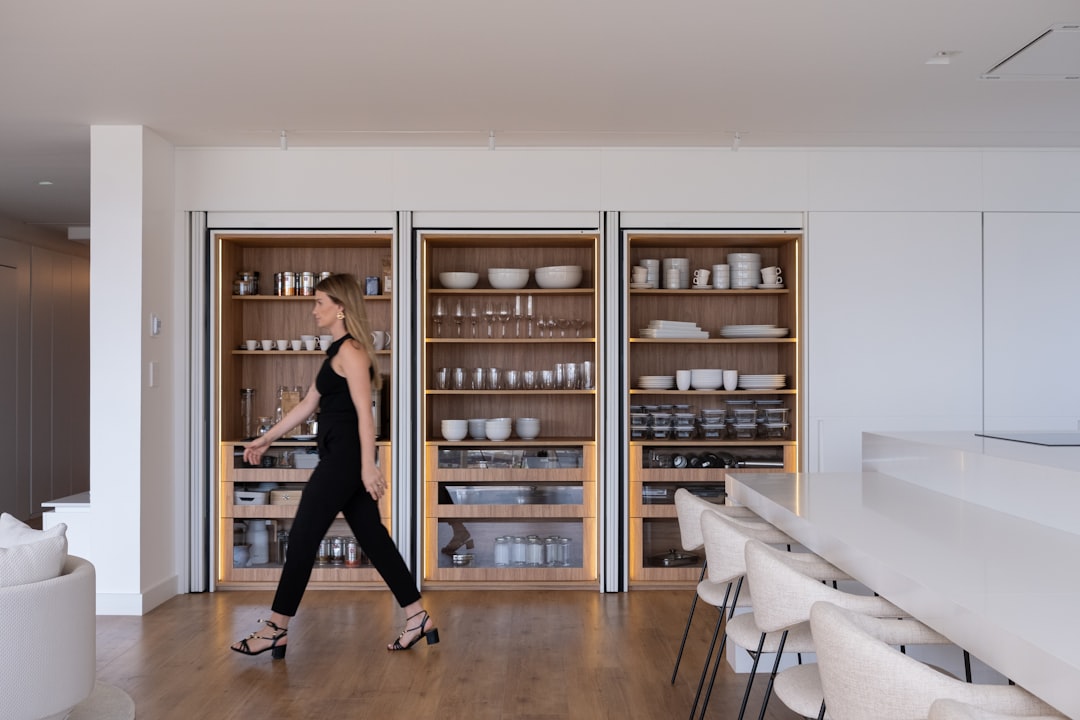
One of the most effective strategies I’ve implemented is the idea of functional zones. This concept involves dividing your space into distinct areas tailored to particular activities. In my kitchen, I created specific zones for cooking, meal prep, and coffee. Each zone has designated storage for its respective tools and supplies, making it easier to find what I need without having to sift through clutter. My coffee zone, for example, has a shelf for my French press, mugs, and a small basket for sugar and cream—everything I need is within arm’s reach.
Decluttering Areas
As I established these zones, I made it a priority to declutter. I took everything out of drawers and cabinets, evaluating each item. Did I use it often? Did it bring me joy? (I know that phrase is overused, but it genuinely helped to reflect on my relationship with these items.) The result? I was able to donate or discard items that no longer served a purpose, creating a more serene environment.
Utilizing Natural Materials
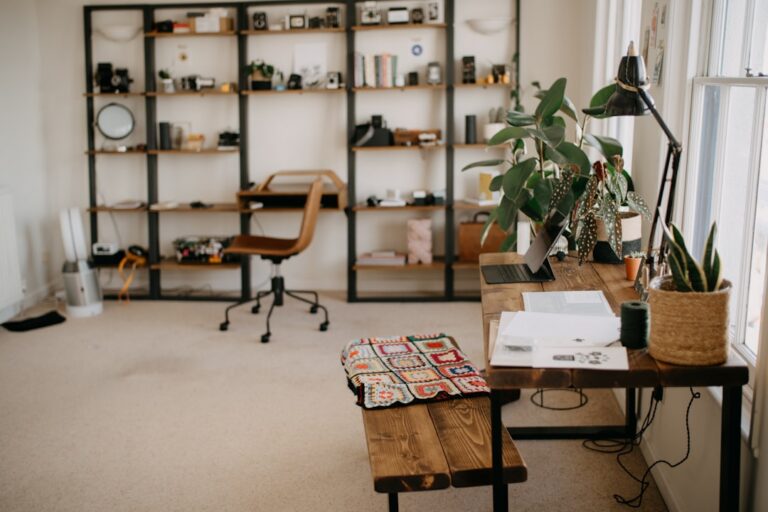
Natural materials play a significant role in creating a calm atmosphere. I’ve found that incorporating wood, stone, and textiles can bring warmth and tranquility to any space. In my living room, I opted for a reclaimed wood coffee table that not only stands out as a natural centerpiece but also reminds me of the beauty of imperfection. It’s a great conversation piece, and it’s sturdy enough for daily use.
Choosing the Right Lighting
Lighting can drastically change the mood of a room. Instead of relying solely on overhead lights, I’ve added a mix of soft table lamps and dimmable fixtures, which provide warm, inviting light in the evenings. In my reading nook, a small lamp with a soft glow creates a peaceful atmosphere ideal for diving into a good book. Gentle lighting helps me unwind at the end of the day, setting the tone for relaxation.
Incorporating Quiet Corners
Every home needs a spot for quiet reflection or relaxation. I dedicated a corner of my bedroom to be just that. With a comfy chair, a small side table, and a few well-placed plants, it has become my favorite retreat after a long day. This corner is not cluttered with anything—just a cozy blanket, a book, and my favorite mug for herbal tea. Establishing this space was a gentle reminder that rest is just as important as productivity.
Seasonal Touches
Seasonal changes can also influence the peace of your home. I like to switch out decor and small items as the seasons shift. In the fall, I incorporate earthy tones and a few pumpkins, while in spring, I bring in fresh flowers and lighter fabrics. These small adjustments keep my home feeling fresh and inviting, reflecting the changing environment outside.
Building Routines Around Organization
Once you’ve created your gentle systems, the next step is establishing routines that support them. I find that dedicating a few minutes each day to tidying up keeps chaos at bay. I call this my “five-minute tidy.” Each evening before bed, I spend just five minutes putting things back in their designated zones, ensuring that I wake up to a peaceful space.
Involving the Family
For organization to truly work, it needs to involve everyone in the household. I’ve involved my family in creating these systems, explaining why we’re doing it and how it benefits us all. Each family member has a small basket in the living room for their items. It’s become a fun game for my kids to see who can keep their basket the tidiest. Including the family not only lightens the load but fosters a sense of shared responsibility for our space.
Maintaining Gentle Systems
Establishing these systems is just the first step; maintenance is where many fall short. I’ve learned that it’s essential to periodically reassess how my systems are working. Every few months, I evaluate whether certain areas are still functioning smoothly. If something feels off, I make adjustments. For example, I moved my office supplies from my kitchen to a dedicated home office space after realizing that it was distracting during meal prep.
Being Flexible
Flexibility is crucial in maintaining a peaceful home. Life can get hectic, and sometimes the systems we create need to shift to accommodate new routines or family dynamics. Embracing this flexibility has helped me avoid frustration when things don’t go exactly as planned. It’s perfectly okay to change your approach or let go of something that no longer serves you well.
Final Touches
To wrap up your organizational journey, consider adding personal touches that make your home feel uniquely yours. I like to display family photos or treasured pieces collected over the years. These items remind me of loved ones and create a sense of belonging, amplifying the calm atmosphere I’m striving for.
“A peaceful home is not about perfection; it’s about creating a space that feels good to be in.”
In the end, building gentle systems is all about finding balance. By understanding your needs, creating functional zones, using natural materials, and maintaining routines, you can craft a home that is both organized and calming. Remember, it’s a journey—one that evolves as you do. Focus on what resonates with you, and soon enough, you’ll find your home aligning with your vision of peace.