This article may contain affiliate links. If you buy through them, Calm Corners at Home may earn a small commission at no extra cost to you. Learn more.
For years, I’ve grappled with the age-old debate: real plants versus faux. Living in a home that embraces calmness and restfulness, I initially thought that investing in lifelike imitation plants might save me time and effort. However, over time, I’ve come to appreciate the unique qualities of real plants that faux options simply can’t replicate.
The Aesthetics of Authenticity
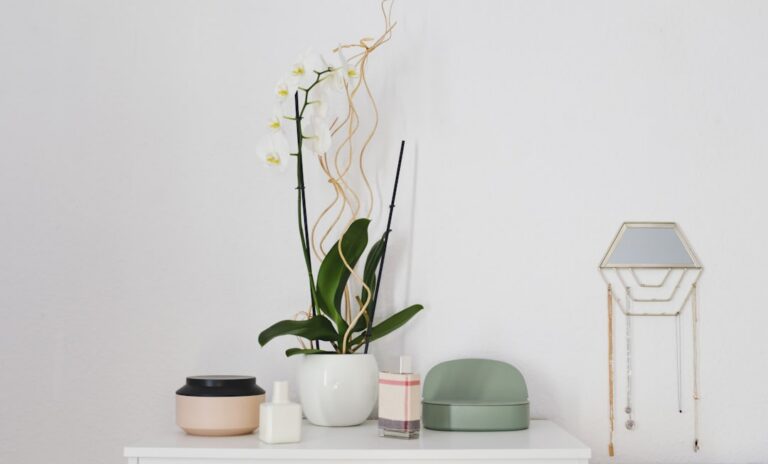
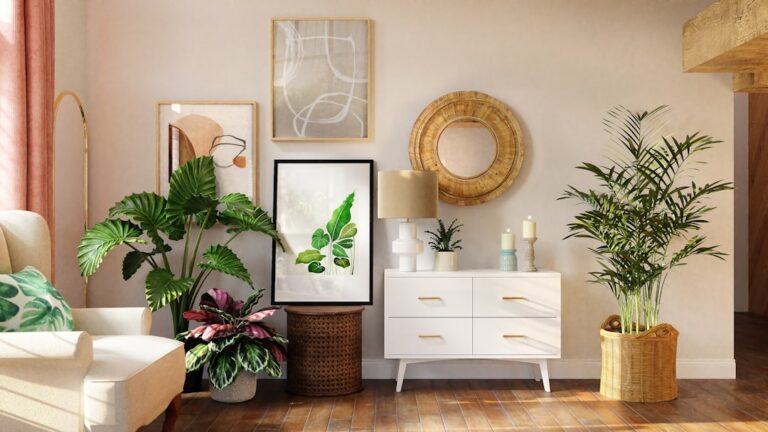
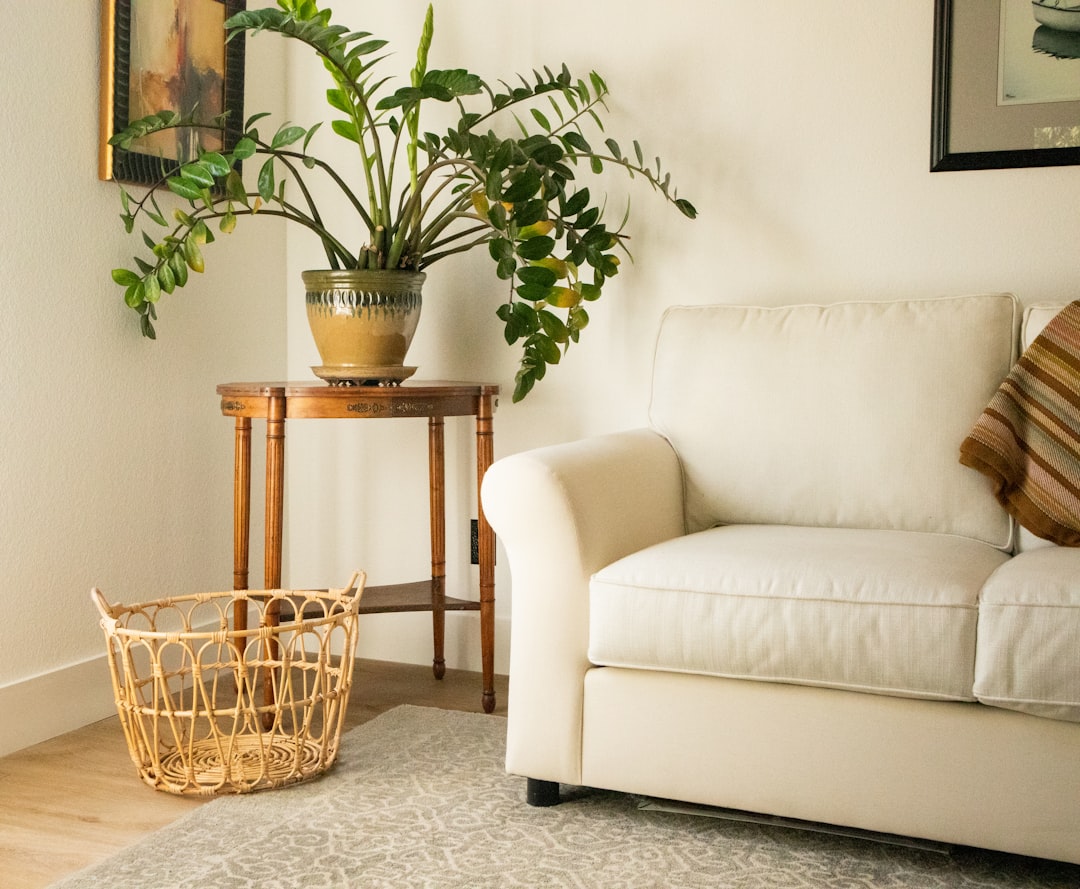
The first thing that drew me to real plants was their natural beauty. No faux plant can truly mimic the intricate details of a living leaf or the subtle variations in color that occur in nature. For instance, I have a fiddle leaf fig in my living room that brings a touch of the outdoors inside. Its broad, glossy leaves not only add visual interest but also change slightly with the seasons, which keeps my space feeling fresh and dynamic.
When I walk by that plant, I admire how it catches the light differently throughout the day. There’s a warmth and authenticity to real plants that makes my home feel more inviting. Faux plants, while they can look good at first glance, often miss those nuances. Over time, they can appear dusty and lifeless, losing any semblance of the vibrancy that real greenery offers.
Breathing Life Into Your Home
One of the most compelling reasons for me to choose real plants is their ability to improve air quality. They actively filter toxins and produce oxygen, creating a healthier living environment. I’ve placed a few snake plants around my home, and I love having them in my bedroom. They’re known for their resilience and ability to thrive even in lower light. Knowing they’re working to purify the air as I sleep gives me peace of mind.
Faux plants don’t offer any of these benefits. They sit there, looking pretty, but they can’t contribute to the overall well-being of my household. I appreciate the idea of surrounding myself with living things that serve a purpose beyond aesthetics.
The Connection to Nature
In our busy lives, we often forget to slow down and connect with nature. Real plants help bridge that gap for me. I find myself tending to them, observing their growth, and even talking to them now and then. It’s a simple way of engaging with the natural world, which is especially important in a city setting where green spaces may be limited.
When I water my plants, I take a moment to appreciate each one — their unique leaves, textures, and shapes. This small act of care reminds me to be present, to slow down, and to appreciate the little things in life. On the other hand, with faux plants, there’s no interaction. They don’t require watering or maintenance, which can seem convenient, but that convenience also leads to disconnection.
Maintenance and Upkeep
I won’t deny that real plants require a certain level of care, but I’ve found that the maintenance is often rewarding rather than burdensome. Sure, I have to keep track of watering schedules and lighting needs, but this has actually become part of my routine. I’ve learned so much about each plant’s specific needs over time, and this knowledge has not only enriched my experience but also helped me cultivate a more attuned sense of responsibility.
In contrast, faux plants may initially seem easier to maintain, but they require cleaning to keep dust at bay. I’ve noticed that even high-end faux plants can begin to look shabby if not regularly cared for. Plus, the thought of having to replace them over time due to wear and tear is something I prefer to avoid. Instead, I’d rather invest my time in nurturing real plants that grow and thrive, adding character to my home.
Cost Considerations
When considering the financial aspect, real plants often have a more sustainable cost in the long run. While the initial purchase price of a real plant can vary, once you have it, the ongoing costs are minimal—just water, occasional fertilizer, and maybe some soil replacement down the line. In contrast, faux plants can be deceptively expensive and may need to be replaced more frequently than you’d expect due to fading or damage.
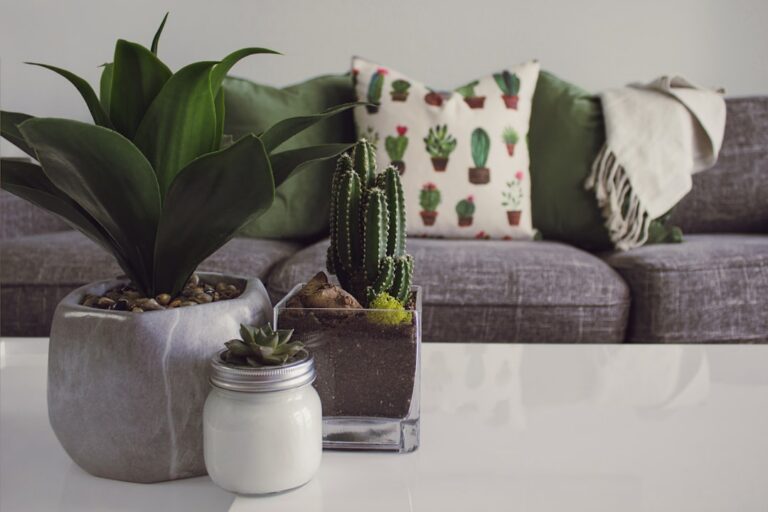
In my home office, I have a couple of small potted succulents that were quite affordable. They add life to the space without requiring lots of resources. Investing in real plants has ultimately proven to be more economical for me, especially considering the added benefits they bring to my mental and physical well-being.
Finding the Right Plants for Your Space
Choosing real plants doesn’t mean you have to have a green thumb. There are plenty of options available for all levels of plant care. I recommend starting with easy-to-care-for varieties like pothos or peace lilies if you’re new to the plant game. I started with these myself, and they’ve thrived in various corners of my home without demanding too much attention.
Understanding your space—how much light it receives and how often you’re home—will guide you in selecting the right plants. Even my humble bathroom boasts a low-light-loving fern that enjoys the humidity. I’m always amazed at how a little research can lead to a thriving indoor garden that suits your lifestyle.
Creating a Calming Environment
Ultimately, the choice between real plants and faux comes down to what you want from your home environment. For me, the calming presence of real plants contributes significantly to the serene atmosphere I strive for. The beauty of a thriving plant is just the beginning; it’s the feelings of tranquility and connection with nature that keep me reaching for the real thing.
“Real plants not only beautify your space; they create a sense of calm that is unmatched.”
Conclusion
Choosing real plants over faux options has transformed my home into a nurturing and lively space. While it does take some effort, the rewards—both aesthetically and emotionally—far outweigh the convenience of imitation. If you’re looking to cultivate a more serene and vibrant environment, consider welcoming real plants into your home. Not only will they beautify your space, but they’ll also invite life and a sense of connection that makes a house truly feel like a home.