This article may contain affiliate links. If you buy through them, Calm Corners at Home may earn a small commission at no extra cost to you. Learn more.
As the sun starts to dip below the horizon, I often find myself drawn to the softer glow of my home’s dim lighting. There’s something inherently soothing about letting go of the bright overhead lights and embracing the gentle embrace of lower illumination. It’s as if the day is winding down, signaling a time for rest and reflection. This transitionary period, from daylight to dusk, invites a different kind of comfort that I’ve come to cherish in my own space.
Why Dim Lighting Works
Dim lighting has an innate ability to create a warm and inviting atmosphere. The psychology behind this effect involves how our eyes and brains respond to light. Bright lights can feel harsh and overwhelming, especially after a long day. In contrast, soft, dim lighting encourages relaxation and can help reduce stress. It prompts our bodies to unwind, allowing us to shift gears from the hustle of daily life to a more tranquil state.
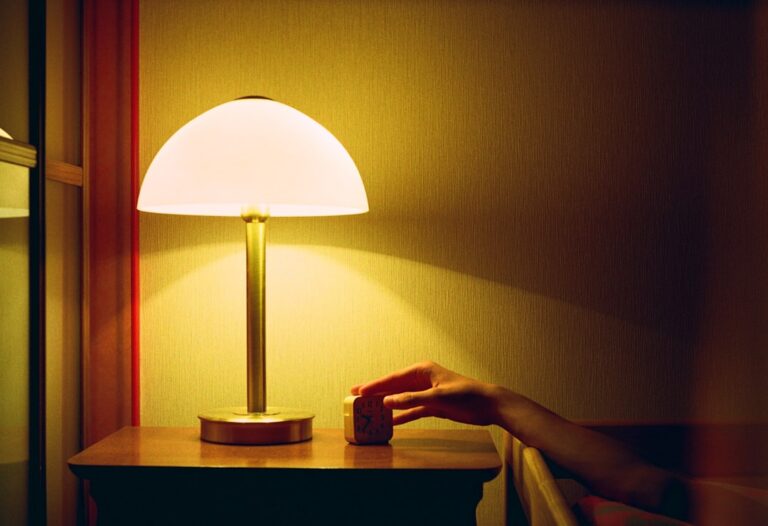
In my living room, I have a collection of adjustable lamps that create these cozy pockets of light. One of my favorites is a vintage table lamp that casts a warm glow across the room in the early evening. As I settle down with a book, I find that this dim lighting sets the perfect backdrop for a peaceful reading experience.
Creating Cozy Corners
One of the simplest ways to incorporate dim lighting into your home is to create cozy corners. These nooks can be designed for reading, meditating, or simply enjoying a cup of tea while watching the world outside. In my house, I’ve transformed a small corner of my bedroom into a serene retreat. With a soft floor lamp and a comfortable armchair, I’ve carved out a space that feels uniquely mine.
The floor lamp I chose has a dimmer switch, allowing me to adjust the brightness based on my mood or activity. On particularly long days, I turn the light down low, wrapping myself in a soft throw blanket as I escape into a novel. The dim light creates a cocoon-like effect, making the world outside feel distant, almost irrelevant.
Layering Your Lighting
For anyone looking to enhance their home’s ambiance, layering lighting is key. This approach involves combining different types of light sources at various intensities. Rather than relying solely on overhead lighting, think about introducing table lamps, floor lamps, and wall sconces. Each type of light serves a distinct purpose, contributing to the overall atmosphere.
In my kitchen, for example, I’ve opted for pendant lighting above the dining table, paired with under-cabinet lights. When I want to host a dinner party, I can crank up the pendant lights for a lively atmosphere. But when it’s just me winding down after a busy week, I dim the pendants and switch on the under-cabinet lighting for a softer glow, creating an inviting space for a late-night snack.
The Role of Color Temperature
When considering dim lighting, pay attention to the color temperature of your light bulbs. Warmer light, typically labeled as “soft white” or “warm white,” tends to feel cozier and more inviting than cooler, bluish light. I’ve made a conscious effort to use bulbs that emit a warm glow throughout my home. The result is a unified, calming atmosphere that invites comfort.
In my bathroom, I’ve installed warm-toned sconces that illuminate the space without the harsh glare you often find in more utilitarian setups. At dusk, these sconces cast a gentle glow that allows me to unwind after a long day, turning my evening routine into a soothing ritual.
Emphasizing Texture and Material
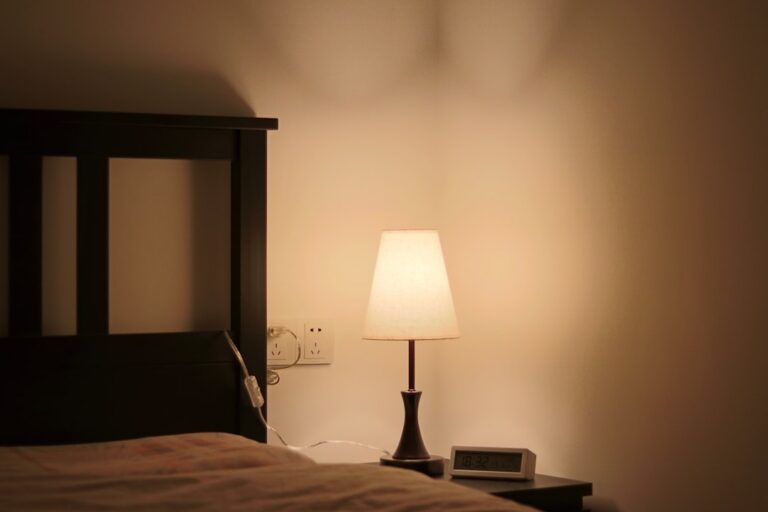
The materials you choose for your light fixtures can also play a significant role in how light is diffused and perceived in a space. I prefer lamps with fabric shades because they help soften and scatter the light, creating that sought-after, restful ambiance. A ceramic lamp that sits on my nightstand adds a tactile element, enhancing the glow and creating a feel of warmth and comfort as dusk settles in.
- Fabric Shades: They diffuse light beautifully, creating a soft, inviting glow.
- Natural Materials: Wood and ceramic elements can add warmth and texture, enhancing the overall atmosphere.
- Glass Fixtures: Opt for frosted or etched glass to help soften the light and reduce glare.
Setting the Mood with Dimming Controls
Another way to harness the calming effects of dim lighting is by integrating dimming controls into your existing fixtures. This allows you to customize your lighting based on activities and moods throughout the day. Dimmers don’t have to be complicated; often, a simple switch replacement can do the trick.
In my living room, I’ve installed a dimmer switch on my main overhead light. This makes it easy to adjust the intensity based on the time of day or my mood. If I want to create an elegant dinner party ambiance or simply relax while watching TV, I can fine-tune the brightness to suit the occasion. The ability to control light levels has been transformative, reinforcing the idea that lighting can significantly impact how we feel in our spaces.
Outdoor Dim Lighting
Don’t overlook the potential of dim lighting outdoors as dusk falls. Soft, warm lighting on a patio or balcony can create a lovely space for evening gatherings or quiet moments alone. I’ve added string lights around my outdoor seating area, which offer a warm glow that feels both festive and comforting. The dim light draws me outside even on cooler evenings, encouraging me to sip tea while watching the stars emerge.
Incorporating candles is another delightful way to add dimension to outdoor spaces. The flickering flame creates an intimate atmosphere, and the subtle scent can further enhance relaxation. I often light a few candles in lanterns as the sun sets, allowing their gentle illumination to create a peaceful transition from day to night.
Making the Case for Simplicity
It’s easy to get caught up in the latest lighting trends or elaborate designs, but I’ve found that simplicity often reigns supreme. The most comforting dim lighting I’ve experienced is often the most straightforward. A single lamp, a few candles, or well-placed string lights can create a mood far more effectively than complicated setups.
Over the years, I’ve learned to appreciate the power of simplicity in my home. The less cluttered my approach to lighting, the more serenity I feel as dusk fades. I’ve purged unnecessary items and focused on a few key pieces that bring joy and comfort — and I encourage others to do the same.
Conclusion
Embracing the unexpected comfort of dim lighting at dusk has transformed my experience of home. By creating cozy corners, layering my lighting, and choosing warm materials, I’ve cultivated a peaceful atmosphere that beckons relaxation. Dimming the lights doesn’t just change the ambiance; it signals a transition, inviting me to unwind and connect with the simple pleasures of life. I hope you find inspiration to explore the calming effects of dim lighting in your own home.