This article may contain affiliate links. If you buy through them, Calm Corners at Home may earn a small commission at no extra cost to you. Learn more.
Designing a meditation space can feel daunting, especially if you think it requires a hefty budget. The truth is, a serene corner for meditation can be crafted without emptying your wallet. A few thoughtful choices in layout, materials, and decor can transform even the simplest space into a calming retreat.
Choosing the Right Location
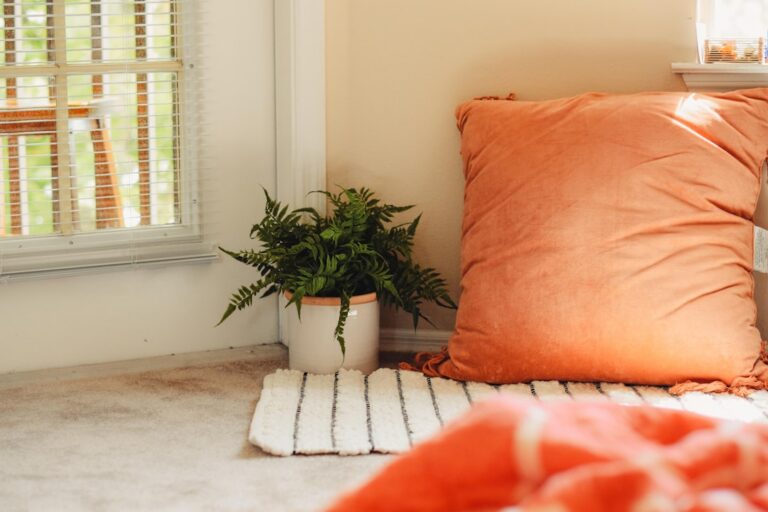
The first step in creating a meditation space is selecting the ideal spot in your home. It should be somewhere you can retreat to, away from the hustle and bustle of daily life. For me, that spot is a quiet area in my living room, tucked away behind a potted plant and a cozy chair. The soft light that filters through the window creates a perfect backdrop for unwinding.
Consider Natural Light
Natural light plays a significant role in setting the mood. When I meditate in the early morning, warm rays pour in, filling my space with gentle illumination. If your chosen spot lacks natural light, consider using soft, warm lamps or string lights to mimic that inviting glow. I often keep a small pendant lamp nearby, which casts a calming ambiance without being too harsh.
Decluttering Your Space
A cluttered area can make it challenging to focus. Start by removing unnecessary items or distractions. I clear my meditation spot of any clutter, leaving only a few essentials like a cushion, a lightweight blanket, and a small table for my journal. This minimalistic approach helps me feel more grounded and focused.
Storage Solutions
For items you don’t want to part with, consider decorative storage solutions that blend seamlessly into your space. Baskets, for example, can add texture while keeping your area tidy. I use a beautiful woven basket to hold my meditation cushions and a few books. This keeps everything organized and adds an organic touch to the corner.
Choosing Upholstery and Textiles
The materials you choose can significantly affect the comfort and aesthetic of your meditation space. Opt for soft, natural textiles that encourage relaxation. I love using a simple cotton or linen cushion to sit on. It’s comfortable, breathable, and easy to clean. Additionally, draping a cozy throw over a chair or the floor can add warmth and depth.
Creating Layers
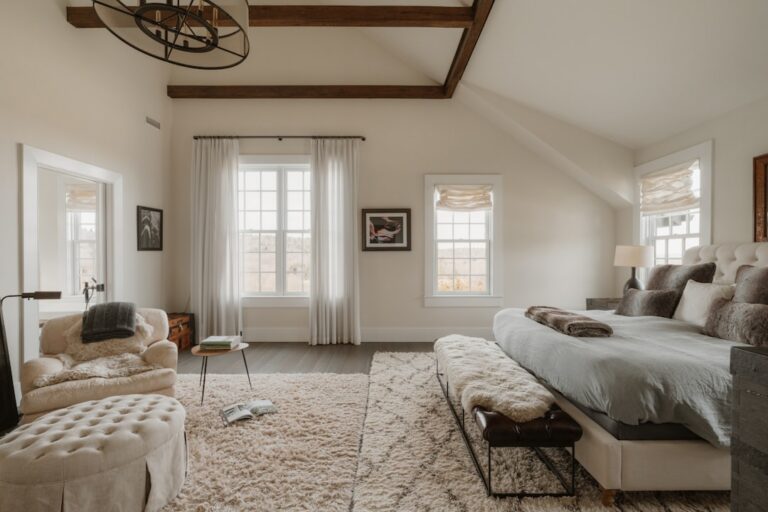
Layering different textures can enhance the cozy feel. You might add a soft rug beneath your meditation cushion. I’ve found that a light, plush rug not only feels fantastic underfoot, but it also visually defines the space, making it distinct from the rest of the room. Look for options that are machine washable for easy upkeep, keeping your space pristine with minimal effort.
Incorporating Plants and Natural Elements
Bringing the outdoors in is one of my favorite ways to enhance a meditation space. Plants not only purify the air, but they also create a serene atmosphere. I’ve placed a snake plant and a few succulents nearby—low-maintenance options that thrive even in my less-than-sunny corner. Incorporating elements like stones, wood, or water features can also promote a sense of calm.
- Choose plants that suit your lighting conditions.
- Consider adding a small water fountain for soothing sounds.
- Utilize natural materials like bamboo or rattan for furniture and decor.
Personal Touches and Meaningful Items
Your meditation space should reflect who you are. Include items that inspire you or hold special meaning. In my corner, I keep a small journal where I jot down thoughts or intentions. It brings a personal touch to the space. A cherished photo or piece of artwork can also elevate the space, turning it into a sanctuary that speaks to your heart.
Mindful Decor
When it comes to decor, think about what brings you joy and peace. I’ve hung a few simple prints—watercolor landscapes that remind me of serene nature. If you’re artsy, consider creating your own artwork or using a DIY approach to customize the decor. It can be a fulfilling part of the design process without needing to spend much.
Budget-Friendly Furniture Options
When looking for furniture, consider second-hand options or DIY projects to save money while still achieving a stylish look. I found a simple stool at a local thrift store that serves as both a seat and a small side table. With a coat of paint, it became a charming addition to my meditation corner.
Flexible Arrangements
Think about flexible furniture that can serve multiple purposes. For instance, a low bench can be a seat or a surface for your books and candles. Look for lightweight options that can easily be moved around as needed. This adaptability not only saves you money but also allows you to refresh your space whenever you feel it’s becoming stale.
Lighting Considerations
Lighting can completely change the feel of your space. Aim for soft, diffused light to create a peaceful atmosphere. I love using a dimmable lamp that allows me to adjust the brightness depending on my mood. You can also find inexpensive string lights or fairy lights to wrap around furniture or walls, which add a cozy glow at night.
Using Candles Wisely
Candles can also enhance the ambiance, but they don’t need to be expensive. I often use simple soy or beeswax candles that I can find at local markets. When lit, they provide warmth and a subtle flicker that encourages tranquility. Just ensure they’re placed safely away from fabric or anything flammable.
Creating a Routine
Finally, a meditation space is only as effective as the routine you build around it. Establish a time each day to use your space, even if it’s just for a few minutes. I often enjoy quiet moments with my cup of tea, allowing my mind to settle before diving into my meditation practice. Consistency is key; it turns that corner into a genuine sanctuary over time.
Invite the Calm
As you design your space, invite calmness into your life. Remember, simplicity often yields the most comforting environments. You don’t need a lot of money to create a sanctuary; you need intention and a few thoughtful choices. With the right approach, your meditation space can become a cherished part of your home—a place where you can reconnect, recharge, and find your inner peace.
Creating a meditation corner is less about the money spent and more about the heart you put into it. By choosing your materials thoughtfully, decluttering, and adding personal touches, you can make a space that resonates deeply with you. I hope these tips help you carve out your calm corner, right at home.