This article may contain affiliate links. If you buy through them, Calm Corners at Home may earn a small commission at no extra cost to you. Learn more.
When I first moved into my home, I found myself drawn to a palette that felt both inviting and calming. I realized early on that color isn’t just about aesthetics; it affects mood and behavior significantly. Each shade evokes particular feelings and can transform a space into a warm haven or a cold box. Understanding this can help us choose colors that not only beautify but also create a sense of comfort.
Warm colors, such as reds, oranges, and yellows, tend to evoke feelings of warmth and energy. They can make a room feel cozy, which is why I’ve painted the accent wall in my living room a soft, buttery yellow. It captures the sunshine beautifully during the day, creating a cheerful atmosphere without being overwhelming. In contrast, cool colors like blues, greens, and purples are more soothing. While they can create a calming vibe, they can also come off as sterile if not balanced with warmer tones.
Choosing the Right Warm Colors
When it comes to selecting warm colors, it’s essential to consider the specific mood you wish to create in each room. Here are a few warm shades and the feelings they typically evoke:
- Soft Peach: Perfect for bedrooms or areas meant for relaxation, soft peach can create a gentle warmth that feels nurturing.
- Terracotta: This earth-toned hue adds richness and depth, making it ideal for cozy corners or a dining area.
- Dusty Rose: A muted pink can invoke feelings of comfort and safety, perfect for a living room or workspace.
- Sunny Yellow: Great for kitchens or playrooms, it can stimulate happiness and creativity.
In my own home, I’ve used dusty rose in my reading nook, accented with a few cozy blankets. The space feels inviting and encourages relaxation, making it my go-to spot for unwinding with a book.
Layering Warm Colors
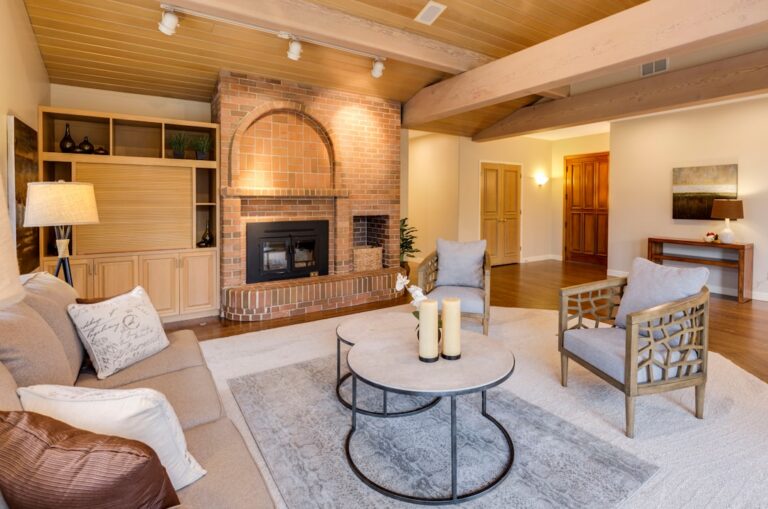
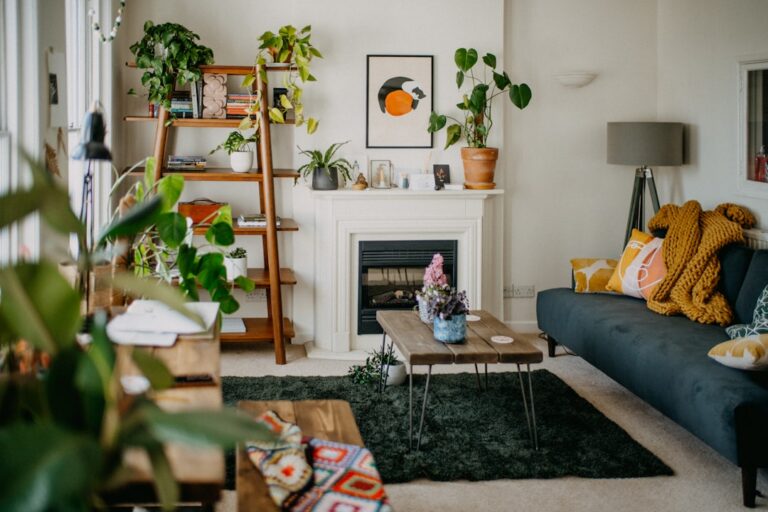
One of the best things about warm colors is how well they layer together. It’s not just about one color dominating; combining shades can create depth and interest. I often layer different warm hues in my decor. For instance, I have a burnt orange throw draped over a light brown sofa, accompanied by mustard-yellow cushions. This combination creates a harmonious blend that feels both inviting and dynamic.
When layering colors, consider the proportions. A subtle balance can keep the room feeling cohesive. Too many competing colors can lead to visual chaos, while too few can make a room feel flat. A general rule of thumb is the 60-30-10 rule: use 60% of a dominant color, 30% of a secondary color, and 10% of an accent color to create a balanced look.
Natural Materials and Color
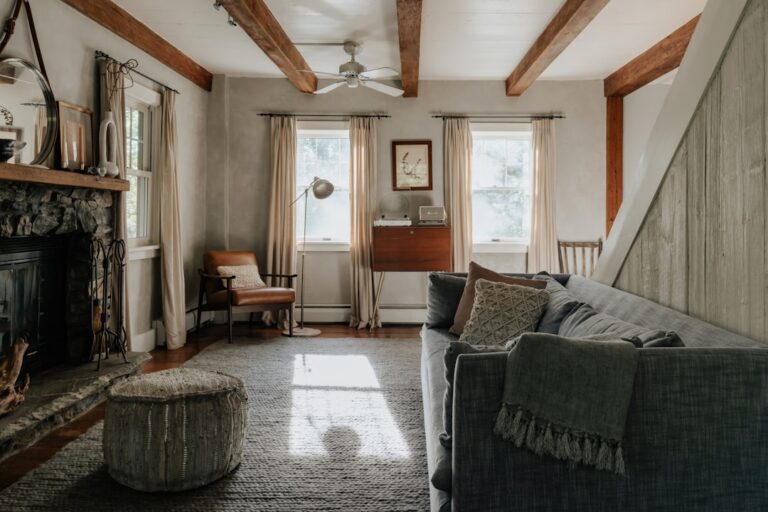
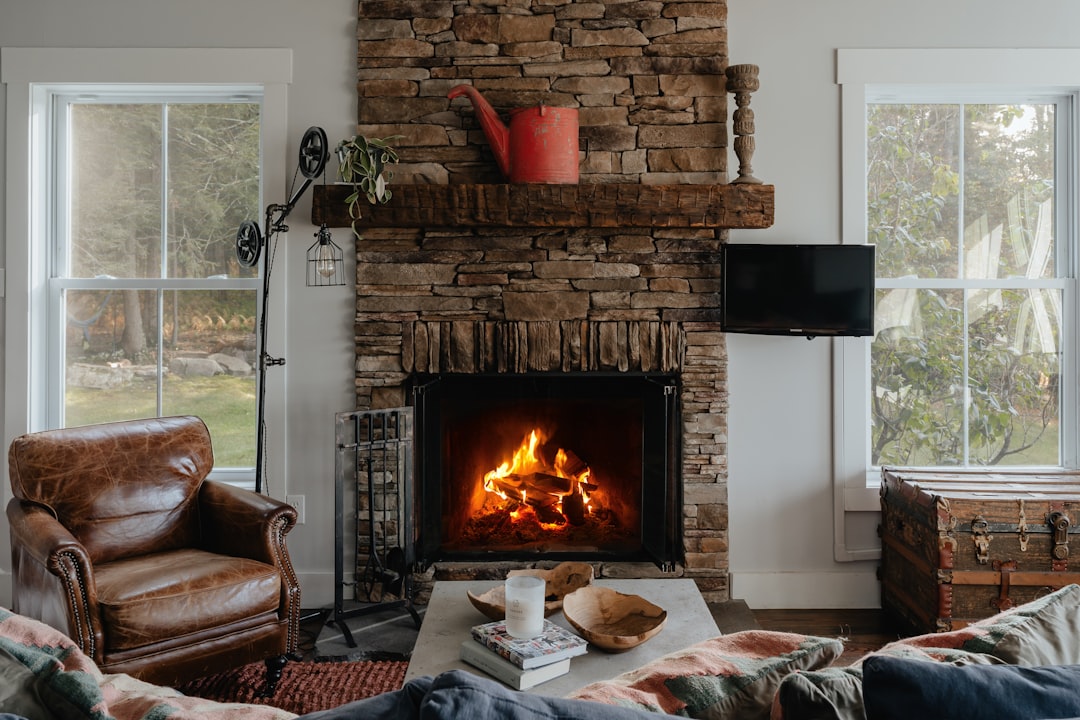
The interplay between warm colors and natural materials can amplify the comforting feel of a space. For instance, I find that incorporating wooden elements—like a reclaimed wood coffee table or bamboo shelves—softens bold colors and enhances the coziness. The natural grain and texture of wood contrast beautifully with warm paint colors, preventing the space from feeling overly polished or stark.
Textiles play a significant role, too. I love using woven baskets and linen throws in various shades of cream and beige. These items not only provide texture but also help ground the warm tones in the room, making everything feel more cohesive and inviting.
Accent Colors and Warmth
While the main color scheme is essential, accents can truly bring warmth to life. Metallics like brass, copper, or gold add a sense of glamour and richness. I’ve incorporated brass fixtures in my kitchen and living room, which catch the light beautifully, providing a warmth that complements my chosen color palette.
In a home office, adding a few plants can introduce a lively touch of green—another warm color when chosen in the right hue. I have a large, leafy plant sitting next to my desk, and its vibrant green adds life to my otherwise neutral surroundings. The warmth of the terracotta pot it sits in adds just the right amount of contrast.
The Role of Lighting
Lighting can significantly affect how colors appear in a room. Natural light brings out the best in warm colors, while artificial light can sometimes alter their appearance. In my living room, I switched to warm LED bulbs, which have made the yellow accent wall glow in the evenings. The result is a cozy retreat that invites relaxation after a long day.
Overhead lighting, table lamps, and even candles each contribute to the ambiance. Soft, diffused lighting can soften the edges of warm colors, making everything feel more inviting. I often use string lights in my bedroom to create a warm, soft glow that feels particularly comforting at night.
Seasonal Adjustments
As the seasons change, you might find it enjoyable to tweak your color palette slightly to reflect the mood of the time. In the fall, I like to incorporate deeper oranges and browns into my decor. A few throw pillows featuring autumn leaves or a warm plaid blanket can make all the difference in creating a seasonal cozy vibe. Come spring, I swap those out for lighter pastels and floral patterns, bringing in a sense of renewal and freshness.
If you’re looking for a less permanent change, consider using slipcovers for your sofas or adding seasonal wreaths to your door. These alterations can keep your home feeling fresh without a complete overhaul.
Common Missteps with Warm Colors
While warm colors can be incredibly inviting, there are some pitfalls to be aware of. One common mistake is overdoing it; too many vivid warm hues can overwhelm a space. Similarly, failing to balance warm colors with neutrals can lead to visual clutter. I’ve seen rooms where a single bold warm color dominates without any grounding elements, making the space feel chaotic rather than cozy.
Another misstep is neglecting the impact of existing furnishings. If you have large, dark furniture, a bright warm color might clash, creating an unwelcoming effect. In my house, I always consider the existing tones of my furniture before making any color decisions.
Final Thoughts on Color and Coziness
Creating a warm and inviting home doesn’t have to be complicated. By thoughtfully selecting colors, layering them, and complementing them with natural materials and lighting, you can cultivate a serene atmosphere that feels both comfortable and welcoming. My own journey through color at home has taught me to trust my instincts while also being mindful of how these choices affect my daily living space.
As you embark on your own color journey, remember that it’s about what feels best to you and your family. With a little creativity and consideration, you can transform your space into a cozy retreat that truly reflects your personal style.