This article may contain affiliate links. If you buy through them, Calm Corners at Home may earn a small commission at no extra cost to you. Learn more.
In recent years, minimalism has been celebrated as the ultimate design philosophy. The idea of living with less, of creating spaces that are uncluttered and stark, has gained immense popularity. While there is undeniable beauty in simplicity, I have come to believe that this trend often overlooks the essential element of comfort. In my own home, I’ve learned that being surrounded by warmth and personality creates a more inviting atmosphere, one that truly nurtures the soul.
The Allure of Minimalism
Minimalist spaces often draw us in with their clean lines and airy aesthetics. There’s something refreshing about a room devoid of excess — a sense of calm that feels almost palpable. However, this ideal can come with a price. While minimalism champions a lack of clutter, it can sometimes lead to a lack of warmth and character. When everything is stripped away, what remains can feel uninviting.
In my living room, I used to experiment with a minimalist look. I had a few sleek pieces of furniture, a neutral color palette, and a couple of carefully chosen decor items. Although it looked good in pictures, it didn’t feel like home. I often found myself uncomfortable, avoiding sitting in the room for long periods. The space felt cold, and I missed the personal touches that made it truly mine.
The Importance of Comfort
Comfort goes beyond physical sensations; it encompasses emotional well-being, too. A cozy space provides a sense of safety and relaxation, encouraging us to unwind and recharge. The challenge is finding a balance between aesthetics and comfort. Minimalist design often sacrifices warmth for a polished look, but I believe that inviting spaces can be both stylish and comforting.
Texture and Material
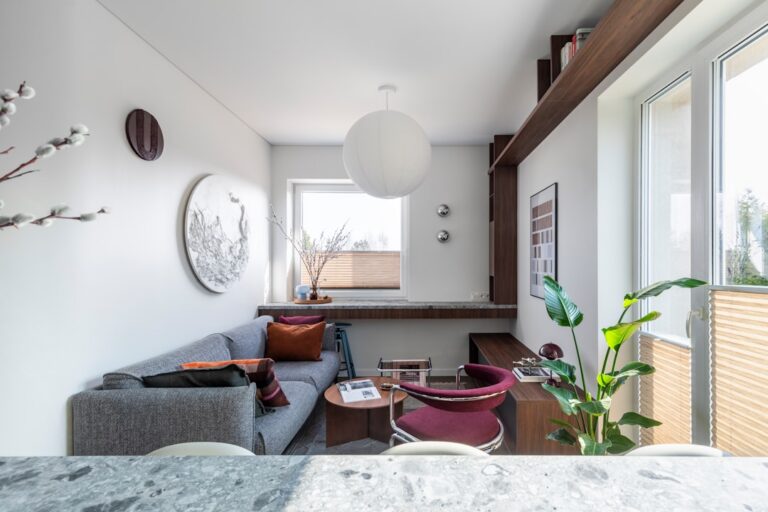
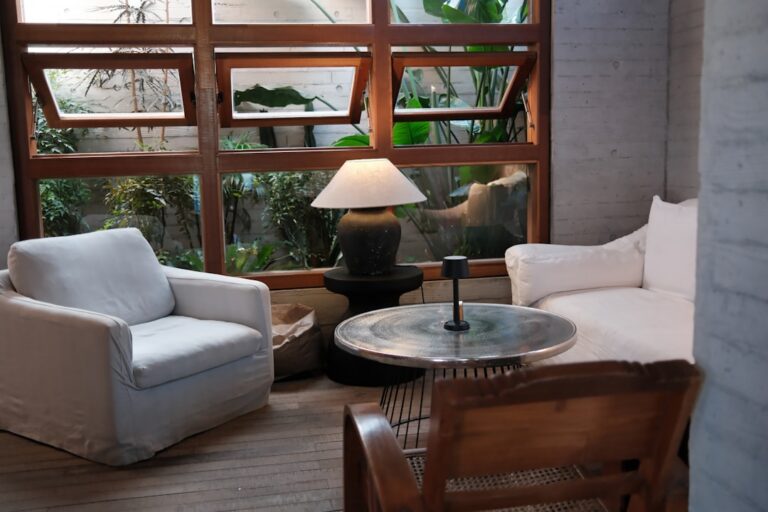
One way to add comfort to a space is by incorporating various textures and materials. In my own home, I love mixing soft textiles with natural elements. For example, my sofa is made of a soft, plush fabric that invites you to sink in, while I pair it with a wooden coffee table that brings in a touch of nature.
Using materials that feel good to the touch, such as wool, cotton, or linen, can make a significant difference. I’ve draped a cozy knit throw over the back of my couch, which not only adds a layer of warmth but also invites people to sit down and stay awhile. The textural contrasts create a visual interest that a minimalist space often lacks.
Personal Touches
Another aspect that sets a comforting home apart is the incorporation of personal items. While a minimalist approach encourages a curated selection of decor, it can stifle individuality. I have several family photographs displayed throughout my house, along with mementos from my travels. These items tell my story and create conversation starters for guests, infusing the space with life.
In contrast to the minimalism trend, I find that having a few cherished items scattered about brings me joy every day. They create focal points in my home, drawing the eye and sparking memories. Rather than detracting from a clean aesthetic, these personal touches provide a sense of belonging that minimal spaces often miss.
Functionality Meets Aesthetics
One of the key criticisms of minimalist design is its tendency to overlook functionality. In striving for an uncluttered look, many minimalist spaces sacrifice practicality. My experience has shown me that a comfortable home must also be functional. It should cater to the needs of everyone who lives there.
For example, I have a small desk space in my bedroom where I can work quietly. Instead of a standard, minimalist desk, I chose a vintage piece that fits my style and also provides ample storage. Its presence doesn’t disrupt the flow of the room; instead, it adds character while serving a purpose. This balance is crucial in creating a harmonious space.
Layering and Zoning
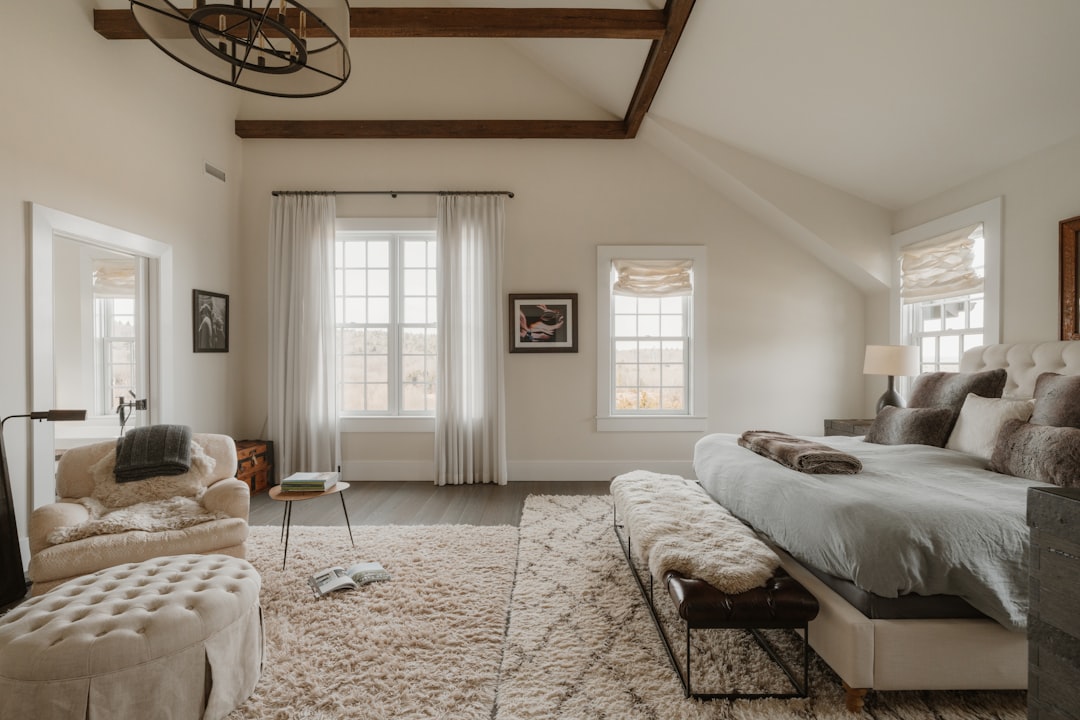
Layering elements within a space can cultivate a sense of comfort and intimacy. In my open-concept living area, I’ve defined zones using rugs and furniture placement. The rich, textured area rug under the coffee table anchors the living space and invites lounging and relaxation. Meanwhile, my reading nook is set apart by a different rug, creating a soft, cozy corner where I can curl up with a book.
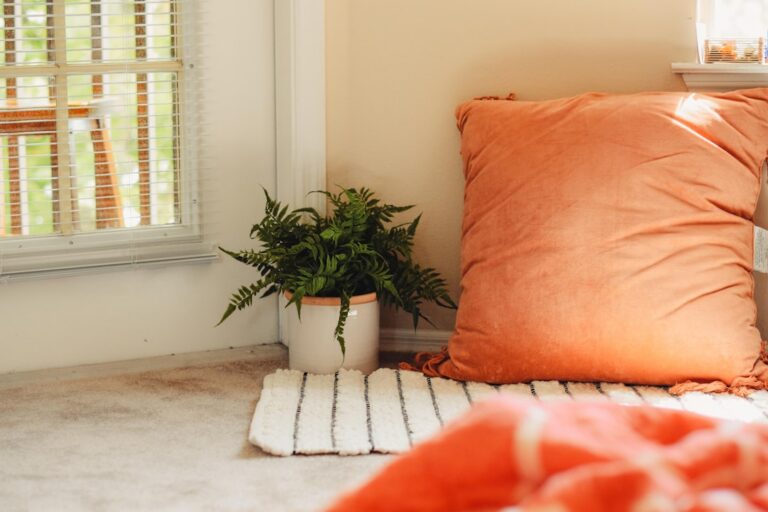
Layering throws, pillows, and even plants increases the warmth of a room, making it feel lived-in and inviting. Instead of stripping away layers to achieve a minimalist look, I embrace them to cultivate comfort and tranquility. Each layer serves a purpose, whether functional or aesthetic, contributing to an overall inviting atmosphere.
Embracing Imperfection
One of the most freeing lessons I’ve learned is that imperfection can be beautiful. Embracing the quirks and character of my home has led to a more authentic environment. A minimal approach may often favor symmetry and perfection, but life isn’t always tidy. The slight misalignments and unique features in my home tell a story, creating a sense of depth that stark minimalism lacks.
For instance, my kitchen displays mismatched mugs collected over the years. Rather than hiding them away in a cabinet, I’ve made them a part of the decor. Not only do they serve a practical purpose, but they also bring warmth and personality to the space. Each mug has its own story, reflecting my journey and the people who have shared moments in my home.
Nature as a Comforting Element
Integrating natural elements into a home can significantly enhance its warmth and comfort. I’ve filled my living space with plants, which add color and life. Not only do they improve air quality, but they also bring a sense of calm. The soft greens and organic shapes create a welcoming environment that feels refreshing and serene.
Interestingly, I’ve found that nurturing these plants provides a sort of therapeutic experience, connecting me to nature even within the confines of my home. Minimalism often neglects the beauty of flora and fauna, but I believe they are essential for creating a cozy atmosphere that invites relaxation and connection.
Redefining Your Space
If you’re feeling inspired to move away from a strictly minimalist approach, start by taking a fresh look at your space. Consider what elements bring you comfort and joy. Ask yourself: What do I love about my home? What makes me feel at ease? It might be as simple as rearranging furniture, adding a few personal touches, or introducing cozy textiles.
Remember, a home should reflect the lives and personalities of those who inhabit it. Focusing solely on minimalism may create an aesthetically pleasing space, but it can also lead to feelings of emptiness. Instead, let your home be a canvas for your story — a place where comfort meets style and where you can fully relax and feel at ease.
A Balanced Approach
In my journey of creating a comforting home, I’ve discovered that it’s not about adhering to the latest trends or design philosophies but about finding balance. Comfort and style can coexist, and it’s possible to create spaces that are both beautiful and inviting. This is the essence of a home — a sanctuary where you can truly be yourself.
As I reflect on my own experiences, I encourage you to embrace the comfort that comes from personal touches, functional design, and the warmth of natural elements. In the end, your home should be a place where you feel safe, happy, and most importantly, at peace.